
Start here
How to Make a Mind Map in 7 Practical Steps
Learn how to choose one focused topic, create useful main branches, add supporting detail and refine the visual hierarchy into a map that is easy to scan.
Learn the method →YaviMind blogs
Turn scattered thoughts into a structure you can use. These practical guides cover the fundamentals of mind mapping and focused methods for studying, project planning, brainstorming, essay writing and meetings.
Start with the method if mind mapping is new to you, browse complete examples when you need a structure to adapt, or choose the guide that matches the work in front of you. Each article includes a branch outline you can recreate on paper or in YaviMind’s free online mind map creator.
Start here
Learn how to choose one focused topic, create useful main branches, add supporting detail and refine the visual hierarchy into a map that is easy to scan.
Learn the method →
Examples
Explore practical branch structures for study notes, projects, meetings, brainstorming, problem-solving, content planning and personal goals.
Browse the examples →
Students
Organize a subject, connect supporting facts, revise actively and build clearer study notes without turning every branch into a paragraph.
Build better study notes →
Project planning
Map objectives, deliverables, people, milestones, risks and next actions so the project’s moving parts stay visible in one place.
Plan a project →
Brainstorming
Separate idea generation from evaluation, use prompts to open new directions and group the results into themes you can act on.
Run a better brainstorm →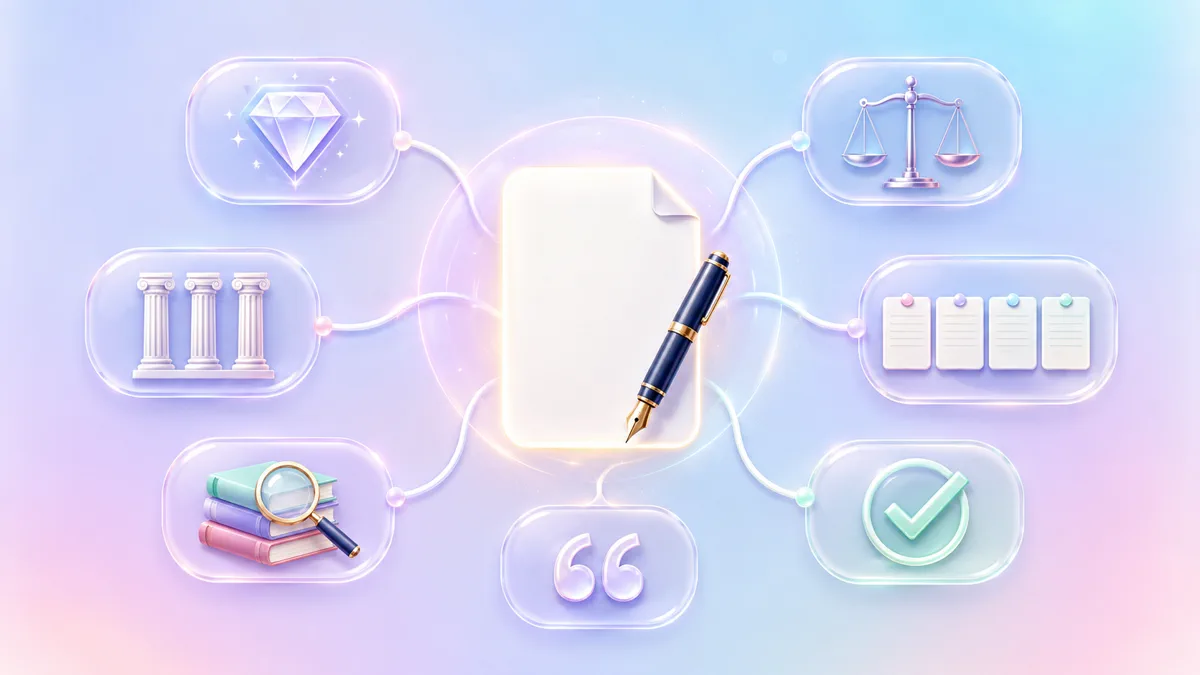
Writing
Move from the essay question to a working thesis, supporting arguments, evidence, counterpoints and a logical paragraph sequence.
Plan an essay →
Meetings
Capture agenda topics, decisions, questions and assigned actions in a visual record that remains useful after the meeting ends.
Map your meeting notes →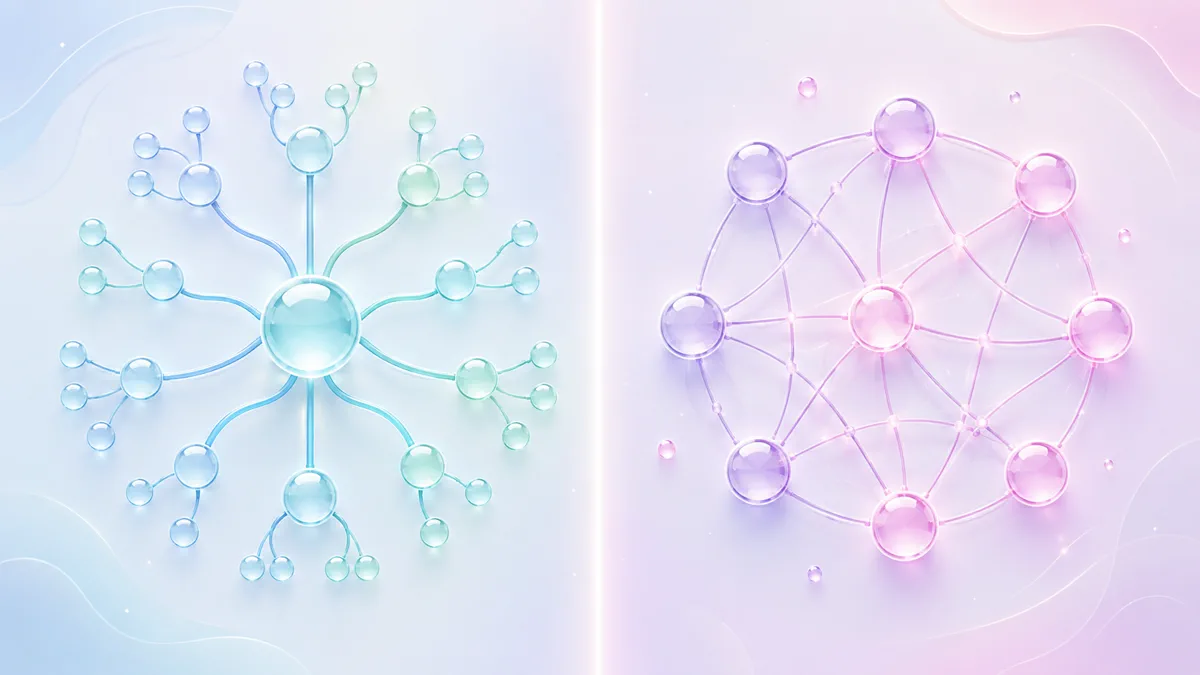
Fundamentals
Compare their structures, connecting relationships and best uses so you can choose the right visual tool for the thinking task.
Compare the two methods →